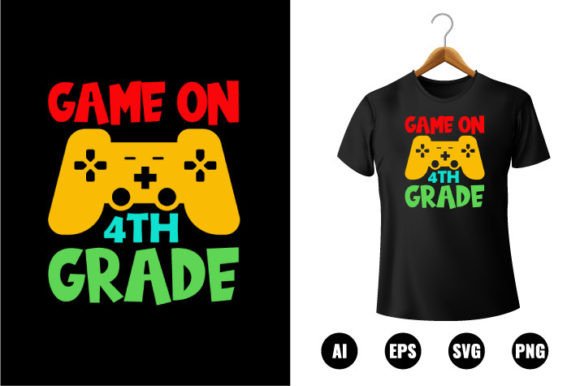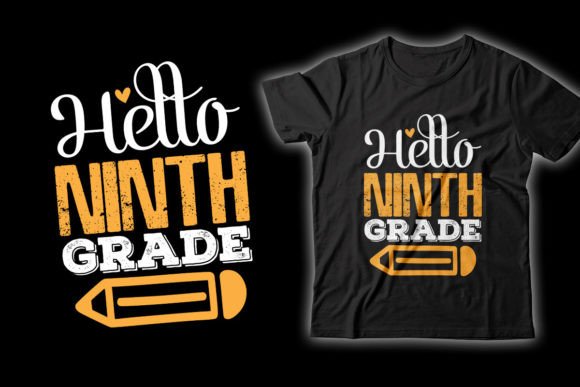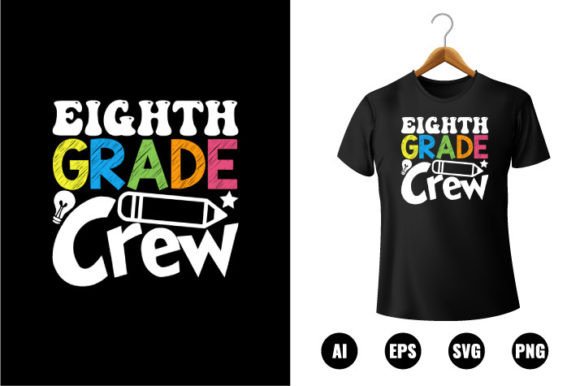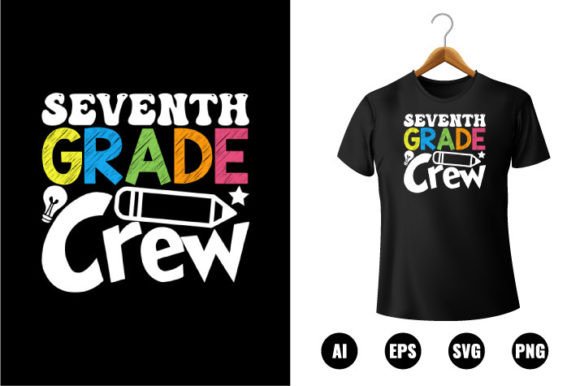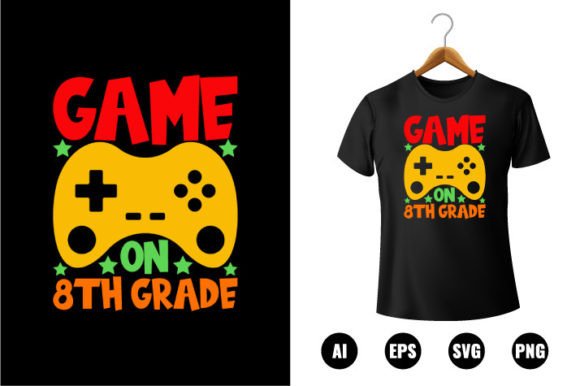
8th Grade Game on T-shirt Design
A Designer’s First Look: Playful, Not Precious
When I opened 8th Grade Game on T-shirt Design, I didn’t see “clip art”—I saw a mood. It’s got that lighthearted, slightly cheeky energy of middle school locker culture: bold lettering, simple iconography (think dice, game pieces, maybe a stylized trophy or notebook), and a layout that leans into asymmetry without feeling chaotic. It doesn’t scream “vintage” or “minimalist.” It says, “We’re here to have fun—and survive algebra.” That makes it instantly relatable for back-to-school projects, but also gives it surprising legs beyond the classroom.
Real-World Test: Embroidering It onto a Cotton Canvas Tote
Last week, I used 8th Grade Game on T-shirt Design as the centerpiece for a custom embroidered tote bag—intended as a graduation gift for a rising 9th grader. I chose medium-weight natural canvas, a tear-away + cut-away stabilizer combo, and matte cotton thread in navy, kraft brown, and white. The result? Crisp, legible, and full of personality—but only because I paid attention to what the design *doesn’t* do. It avoids fine serifs, micro-details, or dense fill-stitch clusters. That meant no skipped stitches on the curve of the tote’s gusset, no thread nesting in tight corners, and no need to re-hoop mid-design. As a machine embroidery design, it behaves like something built for real fabric—not just screen display.
Where It Shines (and Where It Needs Guardrails)
8th Grade Game on T-shirt Design works beautifully on:
- Sweatshirt embroidery—its clean lines hold up against fleece texture without blurring;
- Embroidered patches—the shape is self-contained, with clear outer edges ideal for heat-seal or sew-on backing;
- Tote bag design and apron embroidery—it scales well from 4” to 6” wide without losing impact;
- Personalized gifts like pillow covers or tea towels—its theme feels intentional, not generic;
- Craft business and Etsy seller inventory—customers recognize the nostalgic-but-fresh tone immediately.
But proceed thoughtfully with:
- Baby embroidery—some elements may read too “loud” for newborn onesies; test readability at 3” height;
- Caps and curved surfaces—the top-heavy layout can tilt visually if not centered precisely in the hoop;
- Dark fabric—if your version includes light-colored text or icons, confirm thread contrast before stitching;
- Thin or stretchy fabric—a lightweight knit t-shirt needs extra stabilizer support under the fill-stitch areas;
- Frequent-wash items—check stitch density in high-use zones (like the main word “GAME”) to avoid wear-through over time.
What It Adds to Your Finished Product—Beyond Aesthetics
This isn’t just decoration. Used well, 8th Grade Game on T-shirt Design elevates perceived value. On a boutique-branded tote, it signals thoughtfulness—not just “back to school,” but “back to school with personality.” For an Etsy seller, it helps customers imagine the item in use: a teacher carrying it to homeroom, a student tossing it over a chair, a parent snapping a photo for Instagram. That kind of visual storytelling builds trust faster than any product description. And because it avoids overused tropes (no apples, no chalkboards, no cartoon backpacks), it supports brand consistency for makers who curate a specific aesthetic—whether that’s indie, academic-chic, or quietly humorous.
Practical Embroidery Designer Notes You’ll Actually Use
Before you load 8th Grade Game on T-shirt Design into your embroidery software or list it in your shop:
- Test on scrap fabric first—especially if using textured or dark materials. Watch how satin stitch edges settle and whether small details (like die pips or tiny arrows) resolve cleanly.
- Check thread color contrast in both natural and artificial light—what reads bold on screen may fade on heather gray.
- Review stitch density manually. If the file includes large fill-stitch blocks, consider reducing density by 5–10% for softer drape on apparel.
- Confirm hoop size compatibility. This design fits comfortably in a 5×7 hoop—but verify before committing to a 4×4 run on caps or baby hats.
- Inspect small details at 200% zoom. Does the “8th” abbreviation hold clarity? Are connecting strokes thick enough for running stitch definition?
- Test black-and-white mockups. Some versions of this design rely on color contrast—make sure it still communicates clearly in monochrome.
- Use proper stabilizer—cut-away for knits, tear-away for stable wovens, and always float a lightweight topping for dense satin areas.
- Confirm licensing. Since it’s labeled for “Clothes printing, Engraving, Stickers, Canvas, Scrapbooking, Printable decoration and much more,” double-check whether commercial resale of finished embroidered items is explicitly permitted.
Final Thought: A Design That Serves the Maker First
As someone who’s reviewed hundreds of digital embroidery files, I appreciate when a design respects the craft—not just the click. 8th Grade Game on T-shirt Design does that. It doesn’t demand perfection from your machine or your fabric. It gives you room to adapt, scale, and personalize while keeping its voice intact. Whether you’re stitching a single holiday embroidery gift for a niece or building a line of small shop products around back-to-school themes, this one lands with authenticity. It’s not flashy. It’s functional, friendly, and quietly confident—exactly what handmade product makers need in their design assets.