Groovy Second Grade SVG PNG
First Impressions: Playful, Clear, and Ready for Stitching
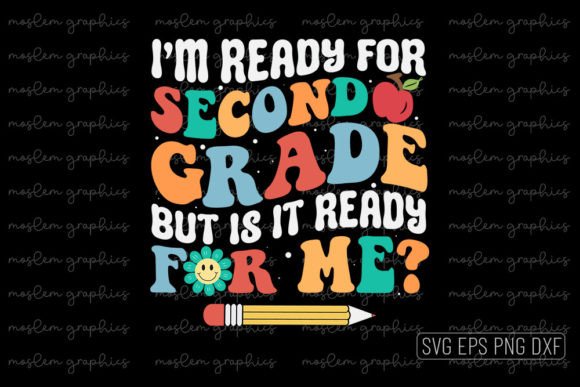
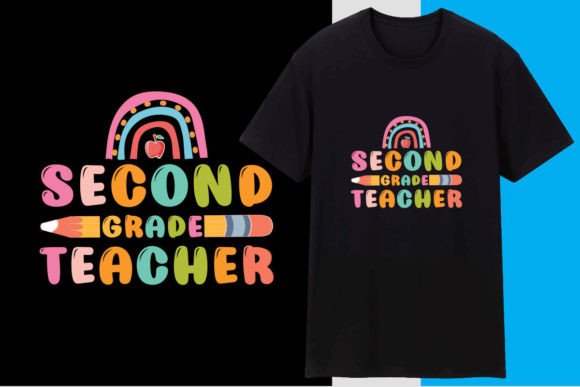
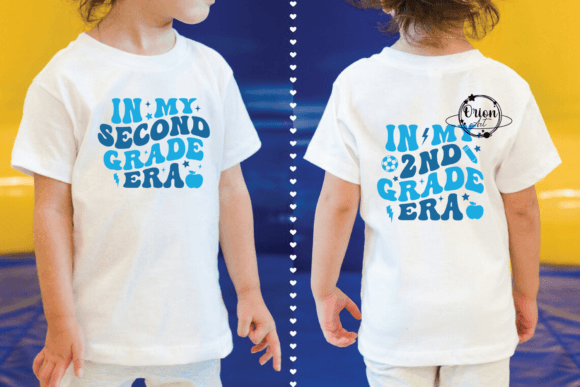
Opening the Groovy Second Grade SVG PNG files, I immediately noticed how cleanly the design breathes—it’s not overcrowded, but it’s also not sparse. The layout centers a bold, friendly “2nd Grade” phrase with a retro sunburst motif and subtle groovy accents (think wavy lines and rounded corners, not psychedelic chaos). It feels warm, confident, and age-appropriate—not too babyish, not too mature. As an embroidery designer who’s stitched hundreds of school-themed pieces, this lands right where it should: cheerful without being cutesy, structured without feeling rigid.
A Real-World Test: Embroidering a Personalized Tote for Back-to-School
Last week, I used Groovy Second Grade SVG PNG to embroider a cotton canvas tote for a teacher’s welcome kit—intended for her second-grade classroom. I chose a medium-weight tear-away stabilizer and tested stitch placement on scrap fabric first. The design scaled beautifully at 4.5 inches wide—tight enough for a tote handle drop zone, spacious enough to read clearly from three feet away. What stood out was how well the letterforms held up: no crowding in the “2nd,” no lost detail in the sunburst rays. Even the smaller decorative elements stayed legible after stitching—no ghosting or thread nesting. That tells me Groovy Second Grade SVG PNG was built with real-world embroidery in mind, not just screen display.
Where It Shines (and Where to Pause)
Groovy Second Grade SVG PNG works especially well for:
- Custom apparel—t-shirts, sweatshirts, and lightweight hoodies hold the stitch definition cleanly, especially with a light-to-midweight cutaway stabilizer;
- Embroidered patches—the clean edges and moderate fill stitch density make it ideal for iron-on or sew-on patches;
- Baby embroidery and nursery decor—its friendly tone suits onesies, burp cloths, and pillow covers when stitched with soft poly threads;
- Holiday and back-to-school merchandise—it reads instantly as celebratory and milestone-oriented, perfect for boutique gift sets or Etsy listings aimed at proud parents;
- Small shop product branding—pair it with a simple monogram or school mascot logo to create cohesive, handmade product lines.
That said, use caution with:
- Curved surfaces like caps—the full layout may need slight repositioning or scaling down to avoid distortion near the crown seam;
- Thin or stretchy fabrics—like jersey tees—where stabilizer choice and hooping technique become critical to prevent puckering;
- Dark fabric backgrounds—test your thread colors carefully; the design includes no built-in shadow or outline, so contrast relies entirely on your thread selection;
- Very small hoop sizes (under 4 inches)—while scalable, shrinking it too far risks losing clarity in the sunburst details and fine line work.
What It Adds to Your Finished Product
Groovy Second Grade SVG PNG doesn’t just decorate—it communicates. When stitched onto a personalized gift, it signals thoughtfulness and attention to developmental stage: not “kindergarten cute” or “middle-school cool,” but authentically *second grade*. That specificity builds trust with customers—especially parents and educators scrolling Etsy or local craft fairs. Visually, the balanced spacing and consistent stroke weight give it a polished, professional look, even when stitched by hand or on entry-level machines. It avoids the “digital clutter” some school-themed designs fall into, so it never competes with the garment—it complements it.
Practical Designer Notes Before You Stitch
Before using Groovy Second Grade SVG PNG in your next embroidery project, take these steps:
- Run a test stitch on scrap fabric that matches your final material—especially if using textured weaves or blends;
- Check thread color contrast against both light and dark backgrounds—print a black-and-white mockup to preview value balance;
- Review stitch density in your embroidery software—if fill areas feel overly dense for your fabric type, reduce density slightly to prevent stiffness;
- Confirm hoop size compatibility; while the PNG files are large (4500 x 4500 pixels at 300 DPI), the actual stitched dimensions depend on your machine’s settings and scaling choices;
- Inspect small details like ray tips and curve continuity—SVG files can sometimes shift during import, so verify alignment before finalizing;
- Use appropriate stabilizer: cutaway for knits, tear-away for stable wovens, and fusible for lightweight linens;
- Double-check licensing terms—this is a T-Shirt Designs listing, but confirm whether commercial use is permitted for finished embroidered products or digital resale of modified files;
- Remember that applique design adaptation is possible—but only if you’re comfortable digitizing additional layers for fabric backing.
Final Thought: A Thoughtfully Built Graphic, Not Just Another Clipart File
Groovy Second Grade SVG PNG stands apart because it feels intentional—not assembled from stock elements, but designed with embroidery workflow in mind. It respects the limits of thread, fabric, and human attention. Whether you’re an Etsy seller prepping holiday inventory, a small shop owner building a school-year collection, or a parent stitching a keepsake sweatshirt, this design supports your goals without demanding excessive tweaks. It’s versatile enough for custom apparel and precise enough for baby embroidery, yet warm enough to feel handmade—not mass-produced. In a sea of generic Graphics, Groovy Second Grade SVG PNG earns its place in the working embroidery file library.