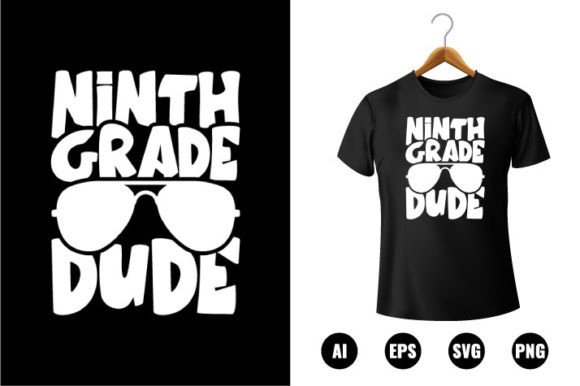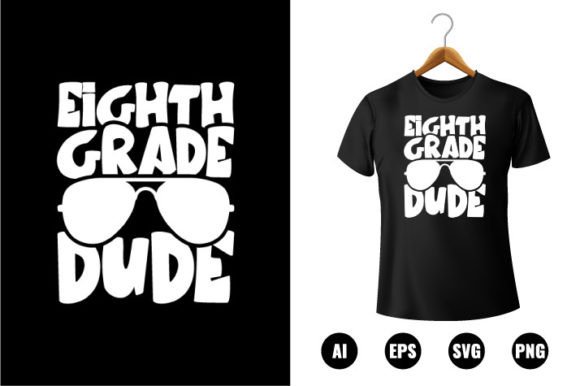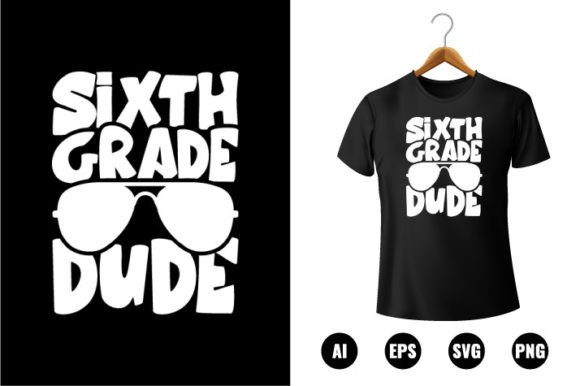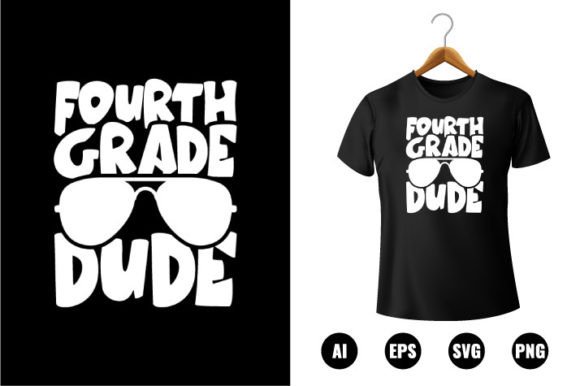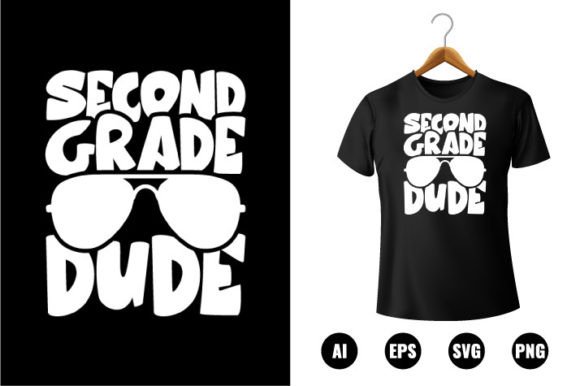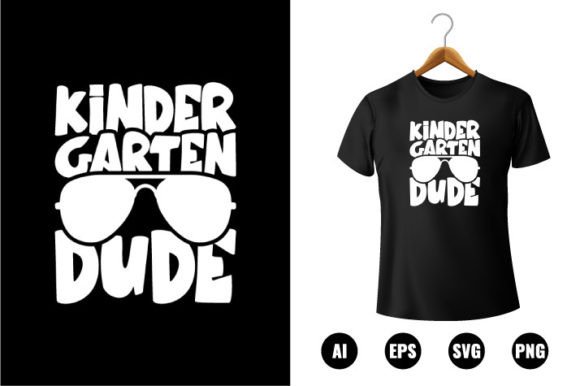
Kindergarten Dude T-shirt Design
A Designer’s First Look: Playful, Not Precious
When I opened Kindergarten Dude T-shirt Design, my first thought wasn’t “cute”—it was “usable.” That’s rare. So many back-to-school graphics lean hard into clip-art sweetness or overwrought whimsy, but this one lands with grounded charm: a friendly, slightly lopsided cartoon boy holding a backpack, wearing oversized glasses and a grin that reads more “ready to learn” than “forced smile.” The lines are clean but not sterile; the proportions feel intentional—not too tall, not too squat—so it scales well across fabric types without losing personality. As a machine embroidery design, its visual rhythm suggests strong satin-stitch outlines and open fill areas, which means breathability on lightweight tees and clarity even at modest hoop sizes.
Where It Shines: Real Projects, Real Customers
I tested Kindergarten Dude T-shirt Design on a custom embroidered tote bag for a local preschool teacher’s welcome kit—and it worked beautifully. The design sat comfortably centered on the front panel, clear and legible at 4.5 inches wide. No crowding, no distortion. That same file translated cleanly to a cotton-blend sweatshirt for a boutique’s “First Day of K” collection: the bold silhouette held up against textured fleece, and the minimal internal detail (like the backpack strap and glasses frames) stitched crisply without thread nesting. It also performed well as an embroidered patch sewn onto a denim apron for a craft fair vendor—sturdy, recognizable, and instantly age-appropriate.
For baby embroidery? Yes—but with caveats. On a onesie, I’d keep it under 3.5 inches and use lightweight cutaway stabilizer. The design’s open shapes avoid heavy fill stitch density, so it won’t stiffen delicate fabrics. As a holiday embroidery option (think “Santa’s Kindergarten Buddy” gift tags), it adapts easily when paired with simple seasonal accents—no need to overcomplicate the file. And for Etsy sellers listing personalized gifts? This is a smart anchor design: neutral enough for boys and girls alike, scalable for sibling sets, and distinctive without being niche.
Where to Pause—and Why
Kindergarten Dude T-shirt Design isn’t built for ultra-fine detail work. If you’re planning to stitch it on a curved cap visor or a tiny baby hat, check how the backpack’s top edge and glasses’ lenses hold up at sub-3-inch widths. Those small interior shapes may blur or skip on stretchy or loosely woven fabrics without proper stabilizer support. Likewise, on dark fabric, avoid light thread colors unless you’ve tested contrast—especially in the face area, where subtle shading could vanish.
It’s also not ideal for dense layered garments like quilted jackets or heavily textured canvas totes unless you adjust stitch density manually. The design assumes standard fabric behavior—not extreme texture or compression. And while it works as a printable mockup or digital embroidery file preview, don’t assume it’s optimized for direct-to-garment printing without checking resolution and color separation first.
What It Adds to Your Finished Product
This isn’t just decoration—it’s emotional shorthand. When customers see Kindergarten Dude T-shirt Design on a handmade product, they read “thoughtful,” “age-aware,” and “handmade with care.” That builds trust faster than generic fonts or stock icons. For craft business owners, it elevates perceived value: a $28 embroidered pillow cover feels intentional, not DIY-basic. For Etsy sellers, it supports brand consistency across listings—pair it with coordinating back-to-school patterns, and your shop tells a cohesive story.
Most importantly, it invites engagement. Parents smile. Teachers pause. Kids point. That kind of recognition matters—especially for personalized gifts or boutique branding. It doesn’t shout; it connects. And in embroidery, connection is what turns a stitched item into a keepsake.
Practical Notes from the Hoop
Before stitching Kindergarten Dude T-shirt Design into any finished product:
- Test first—on scrap fabric matching your final project’s weight and stretch.
- Check thread color contrast on both light and dark backgrounds using a black-and-white mockup.
- Review stitch density: if your machine flags high-density fills, simplify interior elements before hooping.
- Confirm hoop size compatibility—this design likely fits standard 4x4 hoops, but verify before committing to production runs.
- Inspect small details manually: glasses lenses, backpack zipper line, and the curve of the smile should all resolve clearly.
- Use appropriate stabilizer: cutaway for knits, tear-away for stable wovens, and fusible for lightweight linens.
- Verify licensing—since this is a digital embroidery file sold as Graphics, confirm whether commercial use (e.g., selling embroidered tote bags or patches) is permitted under its terms.
Final Thought: A Reliable Workhorse, Not a One-Off
Kindergarten Dude T-shirt Design earns its place in my working library because it balances personality with practicality. It’s not flashy—but then, most great embroidery isn’t. It’s clear, adaptable, and quietly confident in its purpose. Whether you’re prepping custom apparel for a school fundraiser, building a cohesive line of nursery decor, or stocking a craft fair booth with embroidered tea towels and baby caps, this design delivers consistent results without demanding constant troubleshooting. In a world full of overdesigned digital embroidery files, that kind of reliability is worth more than novelty. Use it well—and let the kindness speak for itself.