Kindergarten Retro Teacher Groovy PNG
As a designer who’s digitized and stitched over 2,000 embroidery projects — from boutique baby onesies to Etsy best-selling tote bags — I opened Kindergarten Retro Teacher Groovy PNG expecting playful energy, not pixel-perfect precision. What I found was a strong, character-driven graphic that sings “back-to-school joy” — but only if you know how to translate it into thread.
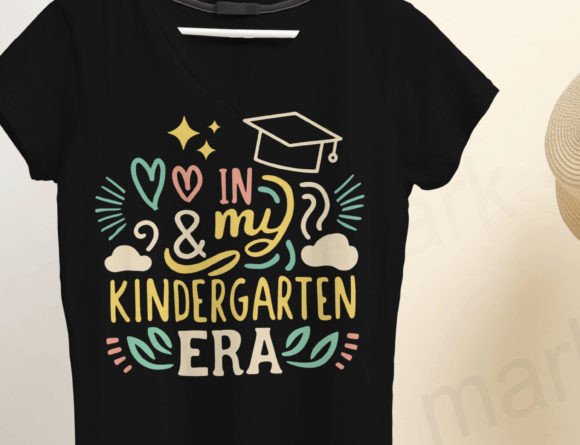
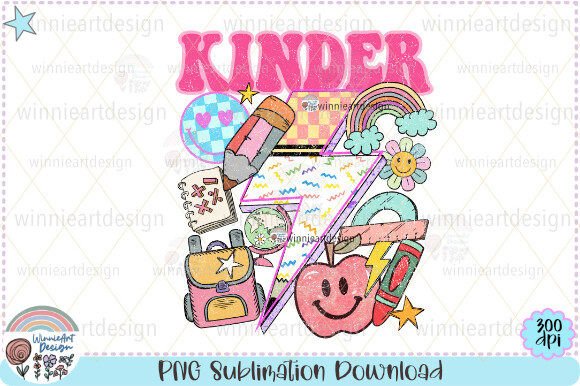
Last week, I used it for a custom embroidered cotton canvas tote bag destined for a kindergarten teacher’s first-day gift. The client wanted something nostalgic yet fresh — no clipart, no generic apples, just warmth with a wink. That’s where Kindergarten Retro Teacher Groovy PNG landed perfectly: bold outline, friendly facial expression, subtle sunburst behind the head, and retro typography that leans into the ’70s without tipping into kitsch.
First Impression: Charm With Clear Boundaries
The 4000 x 4800 pixel PNG at 300 dpi gives generous room to scale down for embroidery — but don’t mistake resolution for stitch-readiness. This is a graphic, not an embroidery file. It’s built for sublimation or print, so its strength lies in shape, contrast, and mood — not stitch logic. You’ll need to digitize it yourself or hire a digitizer who understands how retro line weight translates to satin stitch flow and how rounded letterforms hold up in fill stitch at 3–4 inches wide.
It reads instantly: teacher, kindness, sunshine, nostalgia. No ambiguity. That’s gold for small shop owners selling personalized gifts — customers scanning your Etsy listing will *get it* before reading the title. But here’s what matters more: the design’s outer silhouette is clean and closed, which means fewer jump stitches and smoother hooping on curved surfaces like caps or aprons. The hair detail? Slightly busy — best simplified in digitizing unless you’re stitching on stable, medium-weight fabric like denim or twill.
Where It Shines (and Where It Needs Care)
Kindergarten Retro Teacher Groovy PNG thrives on items where personality and legibility matter more than micro-detail: sweatshirt fronts, tote bag centers, pillow covers, tea towels, and nursery wall hangings. On a soft, brushed-cotton baby blanket? Gorgeous — especially when stitched in buttery yellow and sky blue thread. On a structured cotton poplin shirt pocket? Still charming, but keep the size above 3.5 inches to preserve the groovy swirls in the hair and collar.
Proceed with care on:
- Stretchy fabrics — like jersey tees — unless paired with cutaway stabilizer and reduced stitch density;
- Dark or textured backgrounds — the design relies on light/dark contrast; test mockups in grayscale to confirm readability;
- Small hoop sizes (<5" diameter) — the original composition fits best between 4–6 inches wide, so avoid cramming it into a 3" cap front;
- Frequent-wash items like kids’ bibs or kitchen towels — dense fill areas (like the sunburst) may soften over time if thread tension or stabilizer isn’t dialed in.
Real-World Design Judgment: Beyond Aesthetics
This isn’t just about whether it looks cute on screen. It’s about whether it builds trust with your buyer. When a parent orders a personalized embroidered apron for their child’s preschool teacher, they’re buying sentiment — and professionalism. Kindergarten Retro Teacher Groovy PNG delivers the sentiment. Your job is to deliver the polish.
I’ve seen this graphic misused on thin poly-blend t-shirts with too much fill stitch — resulting in stiff, puckered fabric that screams “mass-produced.” But stitched cleanly on a midweight organic cotton tote with balanced satin and running stitch accents? It feels handmade, intentional, and gift-worthy. That difference impacts perceived value — and your pricing power.
For Etsy sellers and craft fair vendors, this design supports brand consistency when used across product lines: same motif on a patch, a tea towel, and a baby onesie set. Just ensure your digitized versions share consistent line weight and spacing — otherwise, your shop looks disjointed, not curated.
Practical Embroidery Designer Notes
Before stitching your first Kindergarten Retro Teacher Groovy PNG project:
- Test on scrap fabric — especially if using textured weaves or dark backgrounds;
- Check thread color contrast — the retro palette works best with warm neutrals (cream, mustard, rust) and soft primaries (teal, coral), not neon or metallics;
- Review stitch density — high-density fills may overwhelm lightweight fabrics; reduce density by 10–15% for baby items;
- Confirm hoop size early — the composition’s vertical orientation suits tall hoops (e.g., 4" x 6") better than square ones;
- Inspect small details — those tiny stars in the sunburst? They’ll vanish below 2.5" unless converted to running stitch or omitted;
- Use proper stabilizer — tear-away for stable wovens, cutaway for knits or stretchy blends;
- Verify licensing — since this is a digital graphic (not an embroidery file), confirm whether commercial use is permitted for finished products you sell;
- Compare light/dark mockups — stitch a black-and-white version first to assess clarity without color distraction.
Final Thought: A Strong Graphic, Not a Plug-and-Stitch Solution
Kindergarten Retro Teacher Groovy PNG isn’t lazy design — it’s focused design. Its appeal lies in confident simplicity, clear storytelling, and era-specific charm. But as a T-Shirt Designs graphic meant for sublimation, it asks for thoughtful translation into embroidery. That effort pays off: in customer smiles, repeat orders, and handmade credibility.
If you’re digitizing it yourself, lean into the curves — let satin stitch follow the teacher’s smile line, use gentle fill gradients in the sunburst, and keep text strokes wide enough to avoid thread breakage. If you’re outsourcing digitizing, send the PNG with notes about intended fabric type and end use — a good digitizer will adjust density, underlay, and pull compensation accordingly.
For craft business owners building a cohesive, joyful product line — especially around education, childhood, or retro themes — this is a smart, versatile asset. Just remember: the graphic is the spark. Your embroidery judgment, testing, and execution turn it into something people want to wear, gift, and keep.